Introduction
I designed The Shadows to explore how story and space shape guest emotion.
I developed The Shadows as a semester-long project examining how narrative, environment, and emotional pacing intersect in human-centered attraction design. I intentionally designed the experience for family audiences, balancing lighthearted adventure with a deeper message about self-acceptance. Rather than relying on spectacle alone, I focused on how intentional storytelling and environmental design could create a meaningful emotional connection for guests.
The Challenge
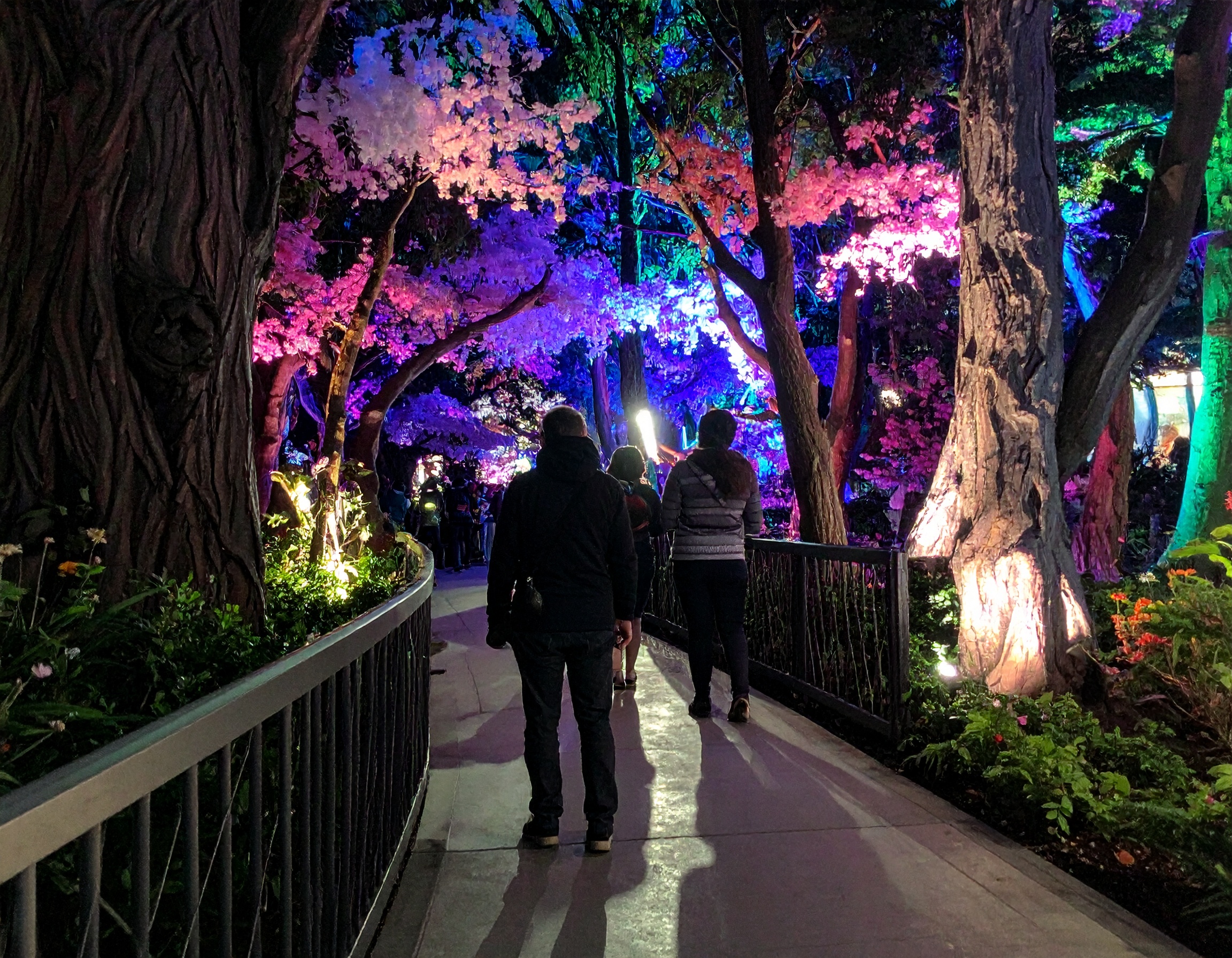
I challenged myself to balance attraction design while still remaining engaging, accessible, and enjoyable for a target family-friendly audience.
The Story
I knew I needed a story that was relevant to audiences big and small, so I decided on a story symbolizing mental health.
Blake wants to run alongside the other forest creatures, but her Shadow keeps holding her back, so she seeks Fire’s help, only to realize she needed her Shadow all along.
This structure gave me a clear emotional arc to design around.
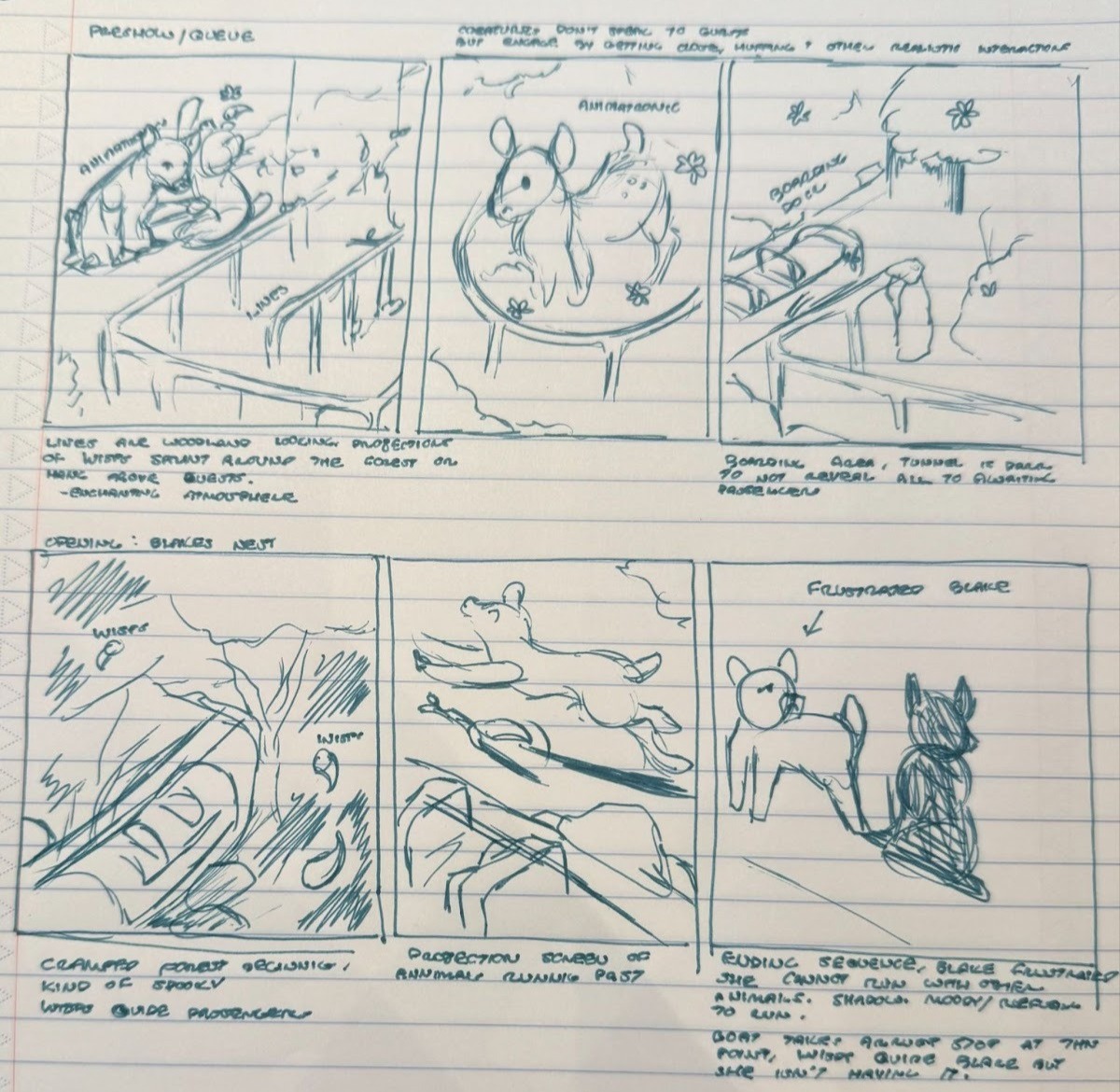
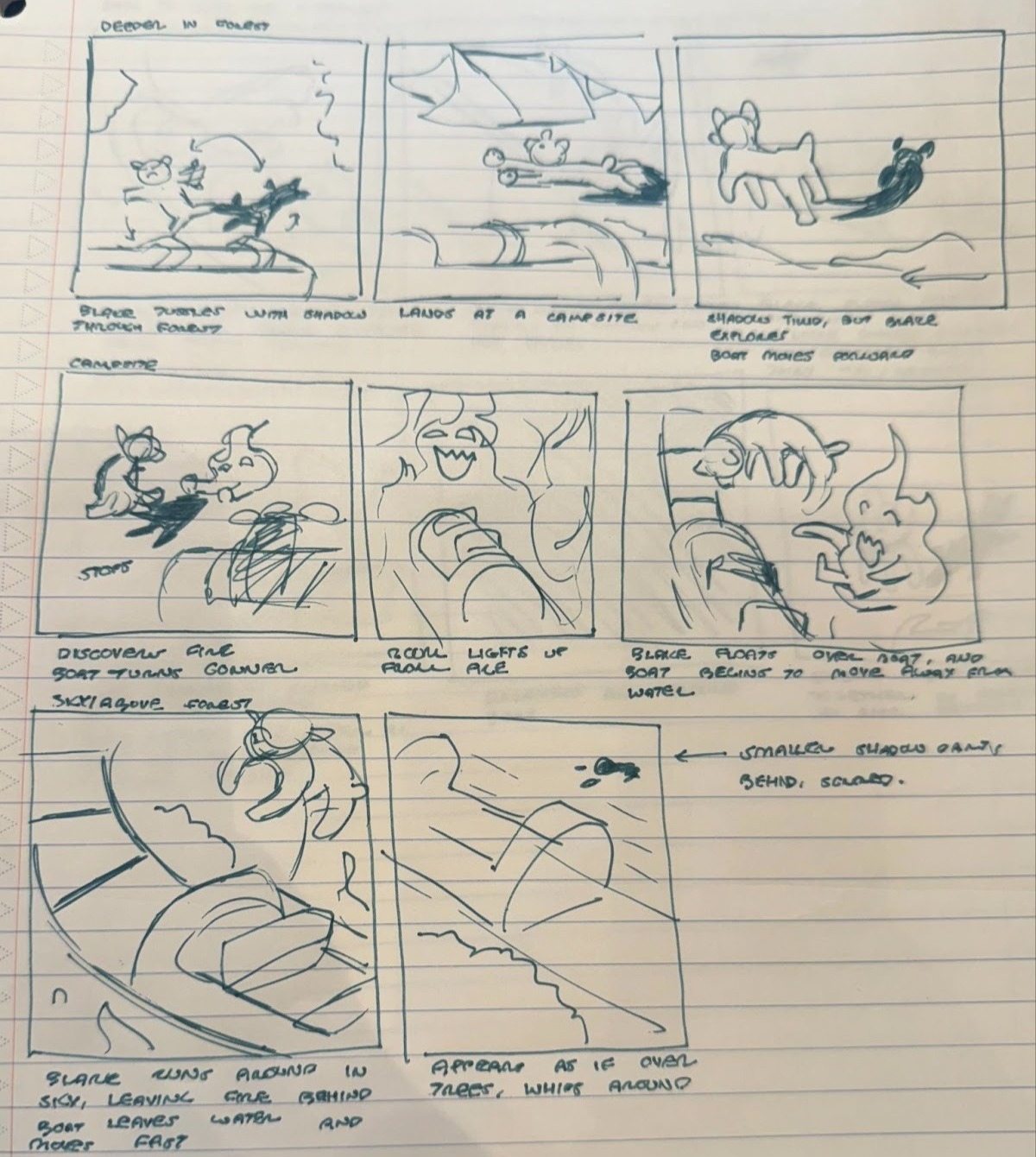
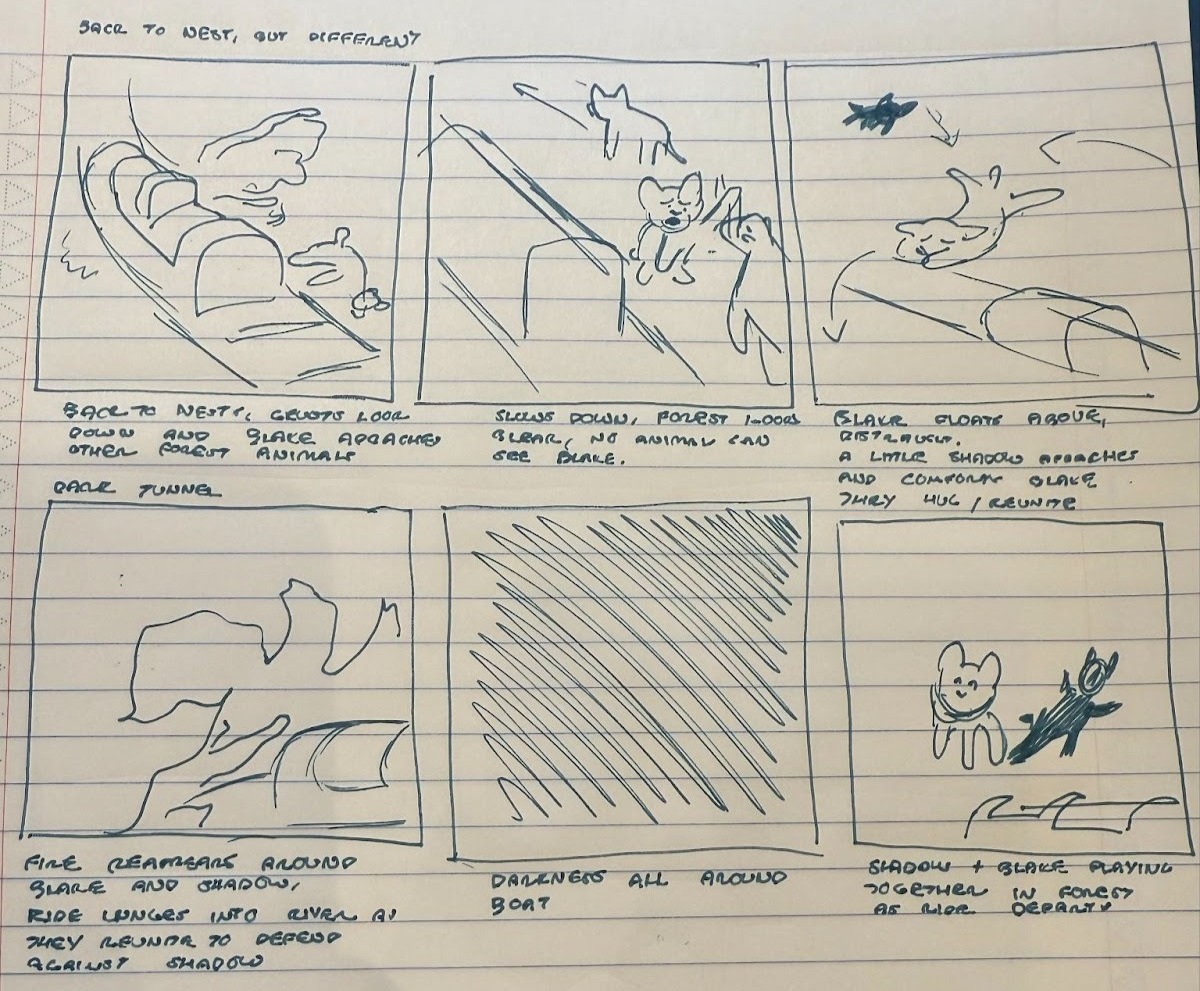
I took the framework as my guiding principles for design, focusing on human connection and emphasis above all else. Blake served as an avenue to design a ride concept that both provides a short, enjoyable experience, but also creates strong emotional attachments with the audience I intend to reach.
Design Approach
My ride furthered the idea of flipping something audiences are not likely to enjoy on its head.
By using shadows as my inspiration, I created a world of enchanting, curious, but slightly off-putting environments that people would grow to love, matching Blake’s found appreciation of her shadow.
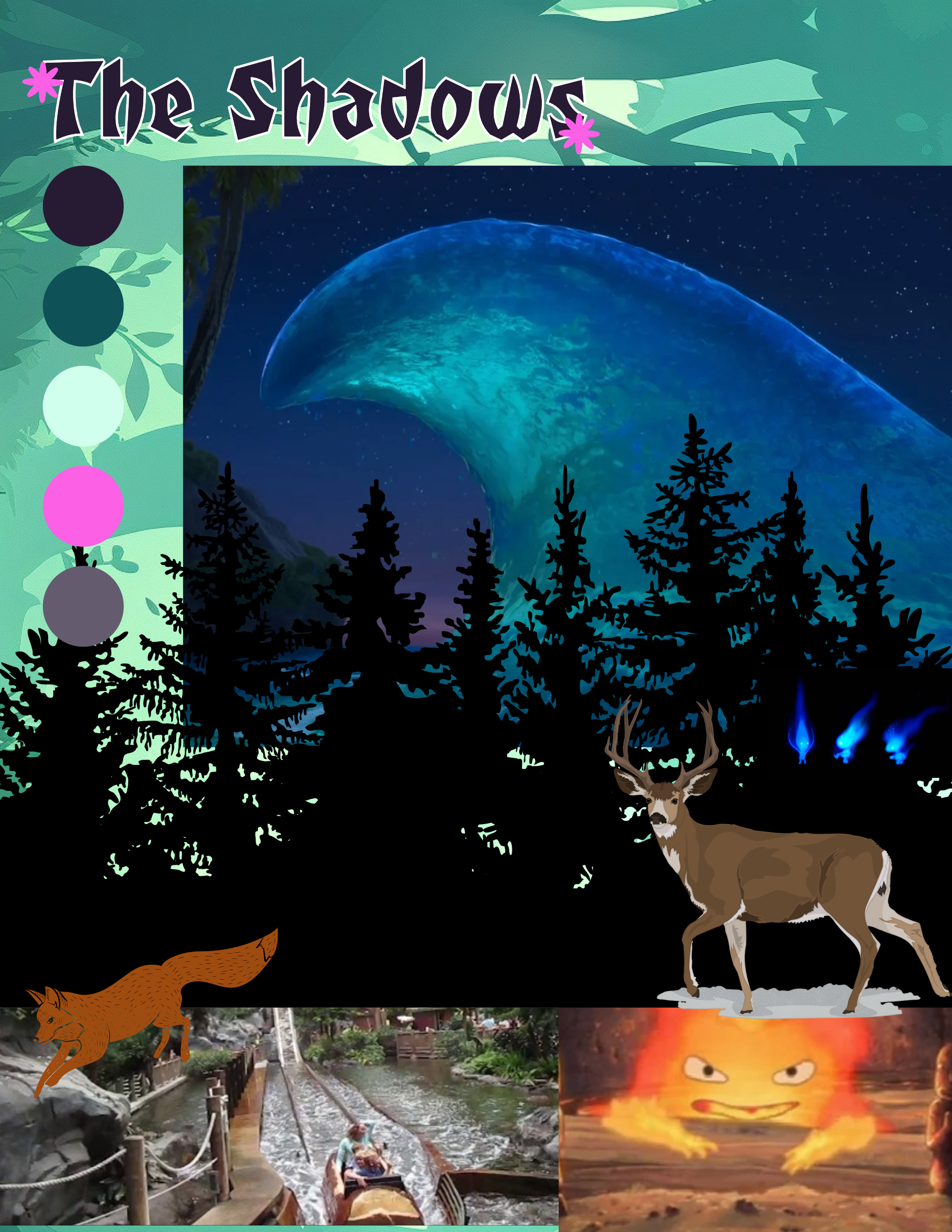
I started by gathering all my inspirations and putting them next to each other to know how to guide my creations.
I created characters focused on subconscious imagery to evoke emotion.
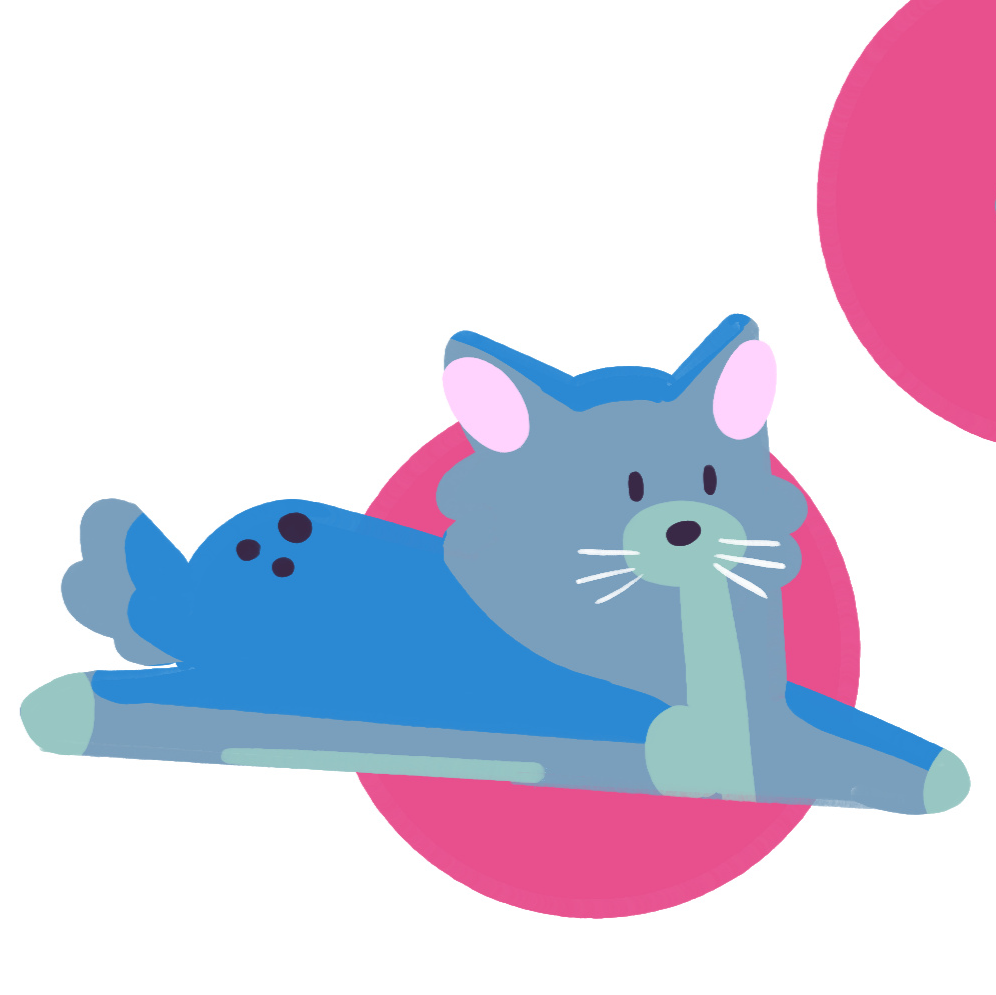
Blake the Bobcat
Blake’s design uses non-traditional blue tones to separate her from the wooded environment while subtly connecting her spirited nature to the story’s emotional arc.
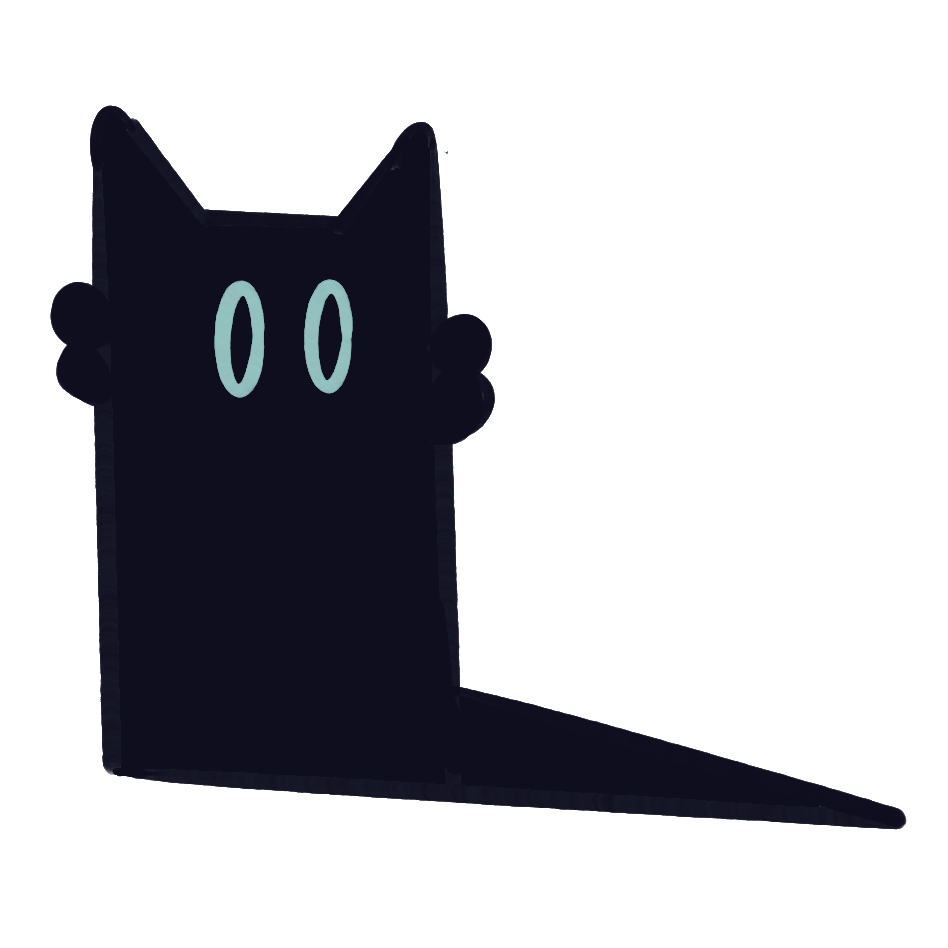
Shadow
Shadow’s design draws from stylized, intangible forms, inspired by like Disney's Soul, to create a shy, quirky counterpart that visually contrasts Blake.
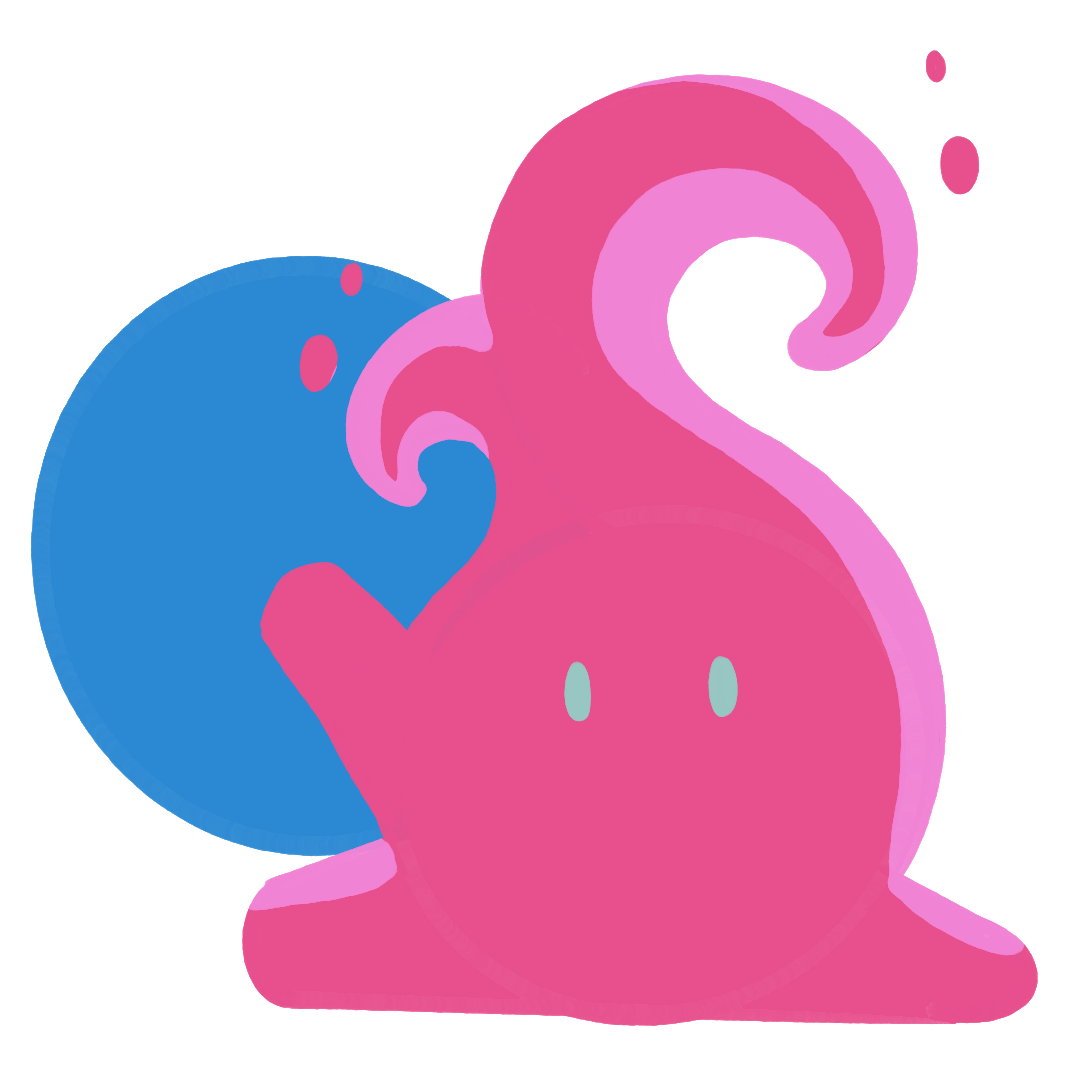
Fire
Fire’s character is built around motion and scale, enabling him to evolve from subtle to all-consuming; his pink-orange palette visually communicates emotional escalation while maintaining the attraction’s cohesive color language.
Accessibility remained a top concern throughout my process, so I focused early on how to ensure my ride is suitable for as many audiences as possible.
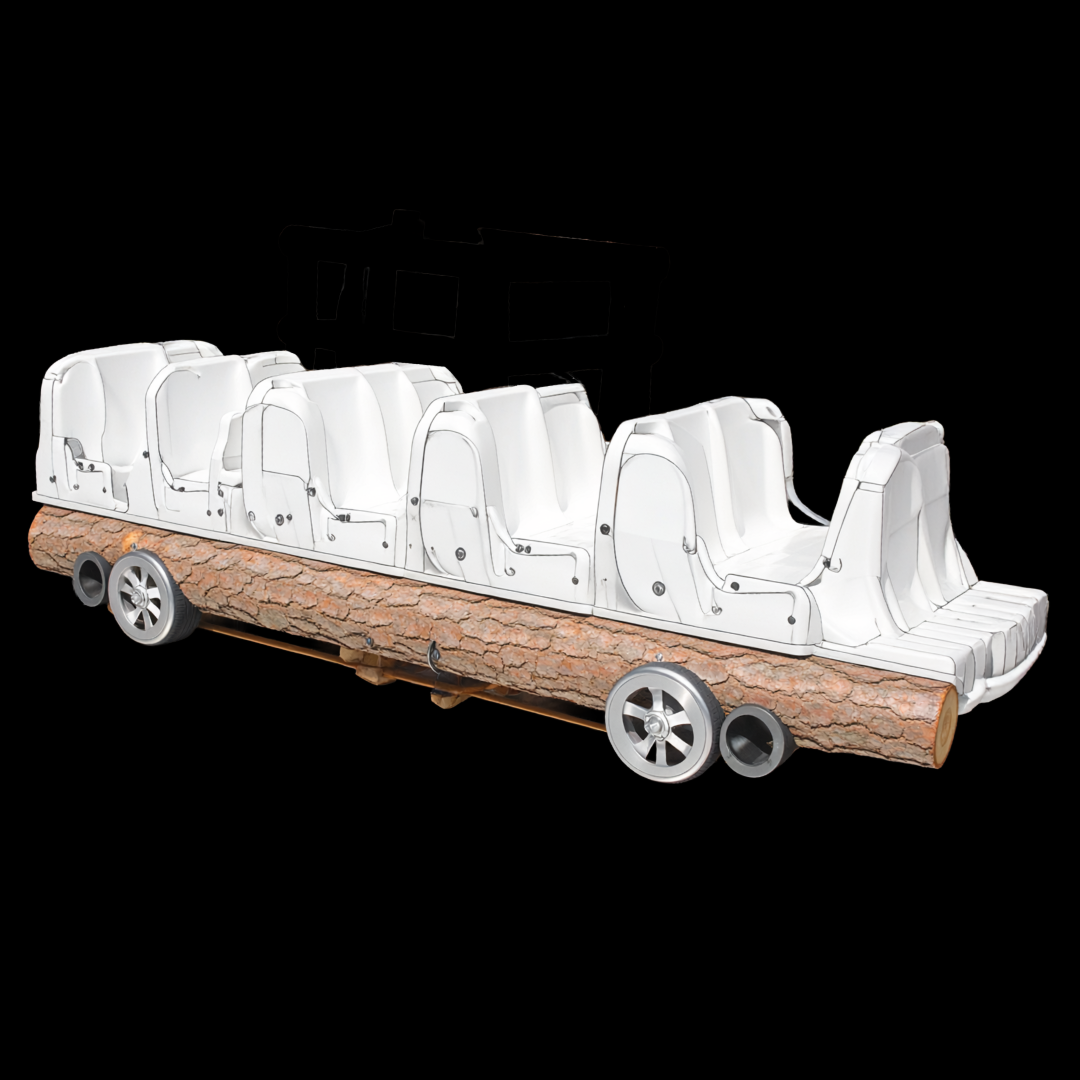
I wanted to minimize my audiences having to ask for certain devices to help them engage with the ride. The ride offers closed captioning devices in front of every seat, so most audiences can understand the audio parts of the ride.
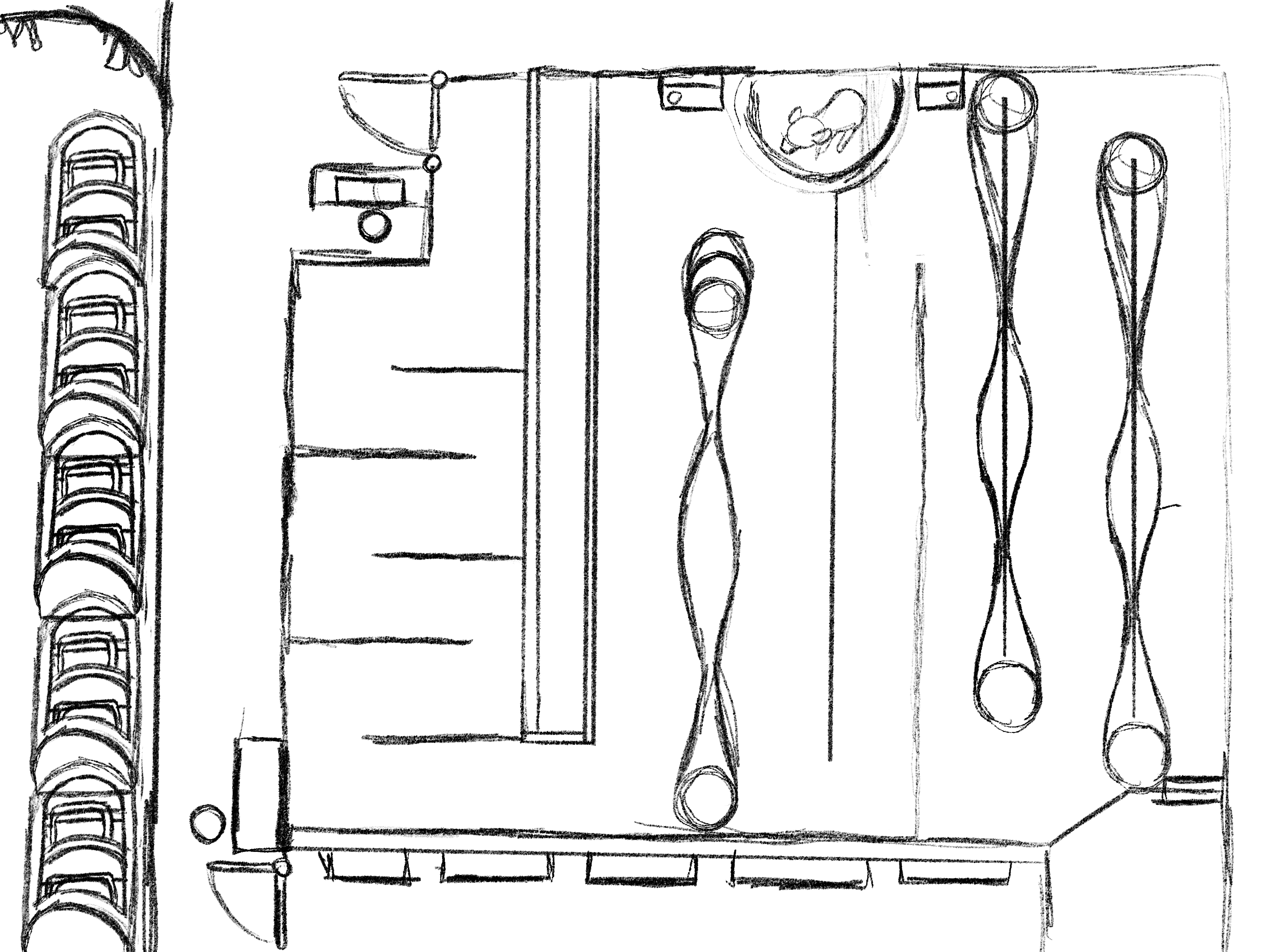
My ride queue, while focused on maintaining aesthetics, also offered an accessible queue for audiences that cannot wait in lines or need further assistance into a modified ride vehicle.
By designing a productive and efficient land, queue, and ride system while simultaneously focusing on the immersive part of design, I didn’t have to sacrifice anything.
Feedback and Iterations
Peer review showed I needed more clarity on my ride, so I utilized illustrative visuals to guide understanding.
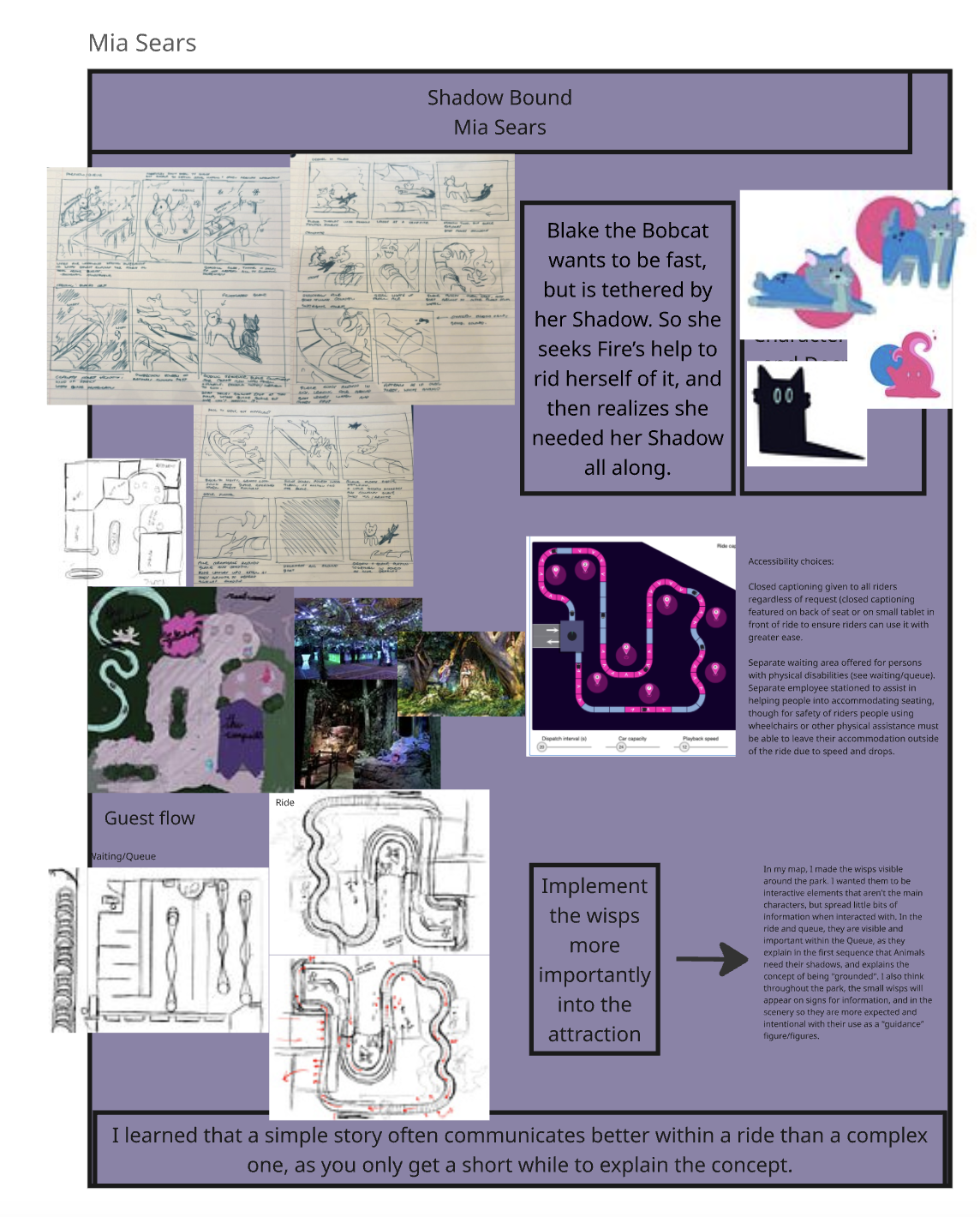
Presented to my peers, I wanted real, honest feedback on where I could improve on within my design process.
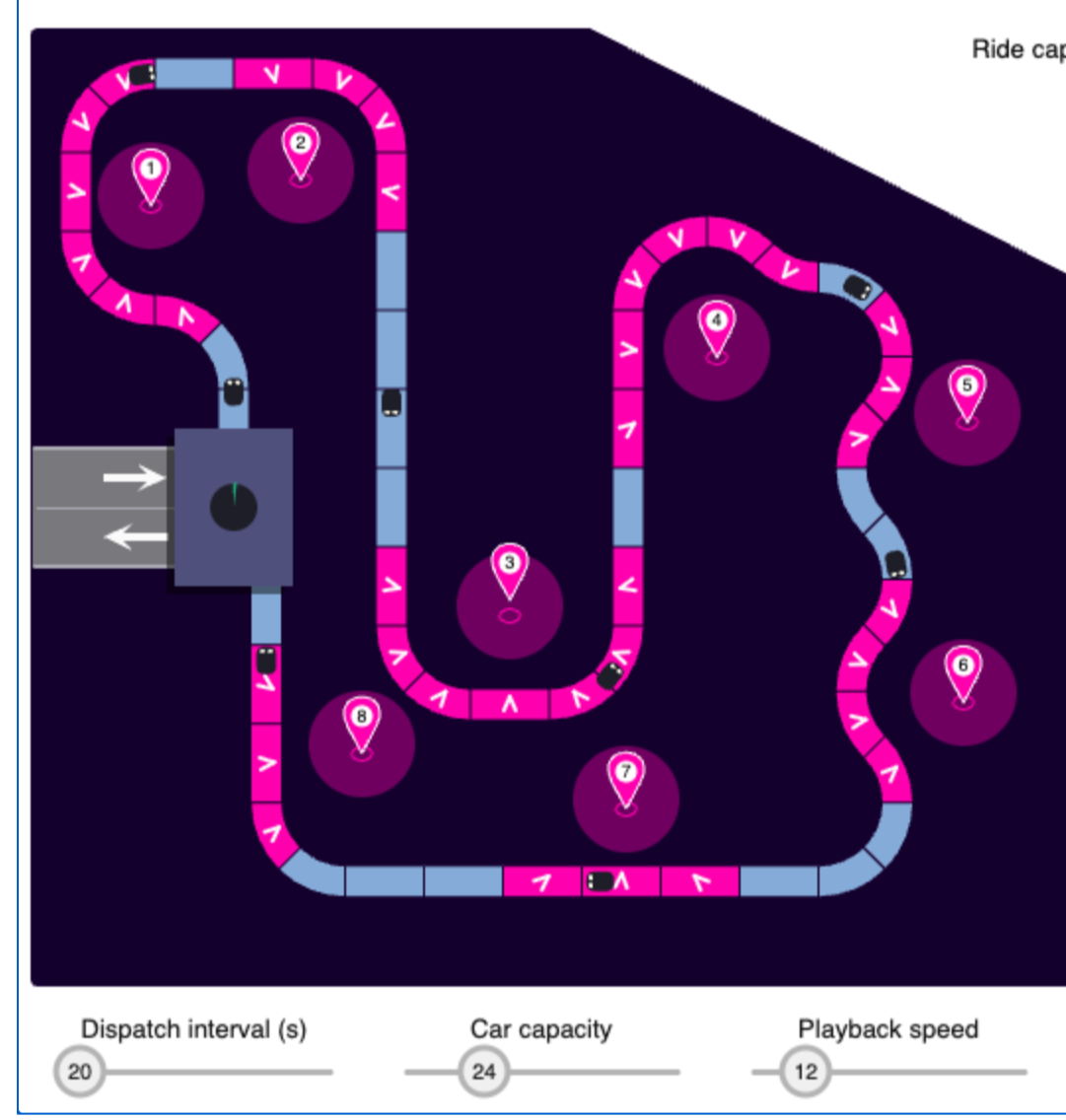
Some concerns raised by peers included a concern about storytelling within a limited timeframe. By utilizing a ride dispatch simulator, I included all scenes from the story within a limited timeframe.
utilizing the simulator, I was able to make a visual guide for audiences to understand how the ride would work. I ensured the ride didn’t feel too rushed and had enough time to fully flesh out my narrative.
Final Design
In the end, I designed an experience meant to be felt, not just seen.
For my final concept designs, I utilized Generative AI used as a visualization tool to represent the final intended guest experience.
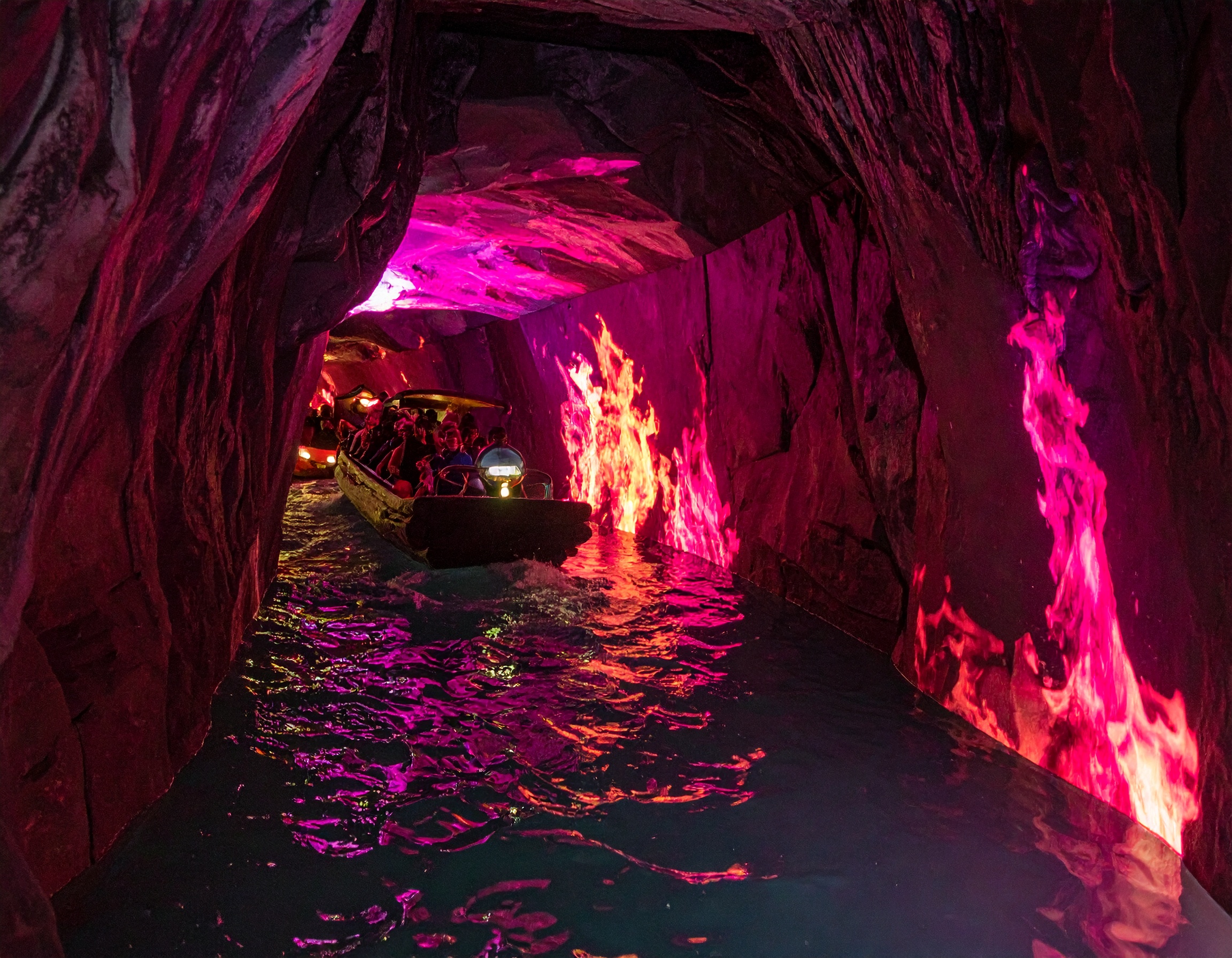
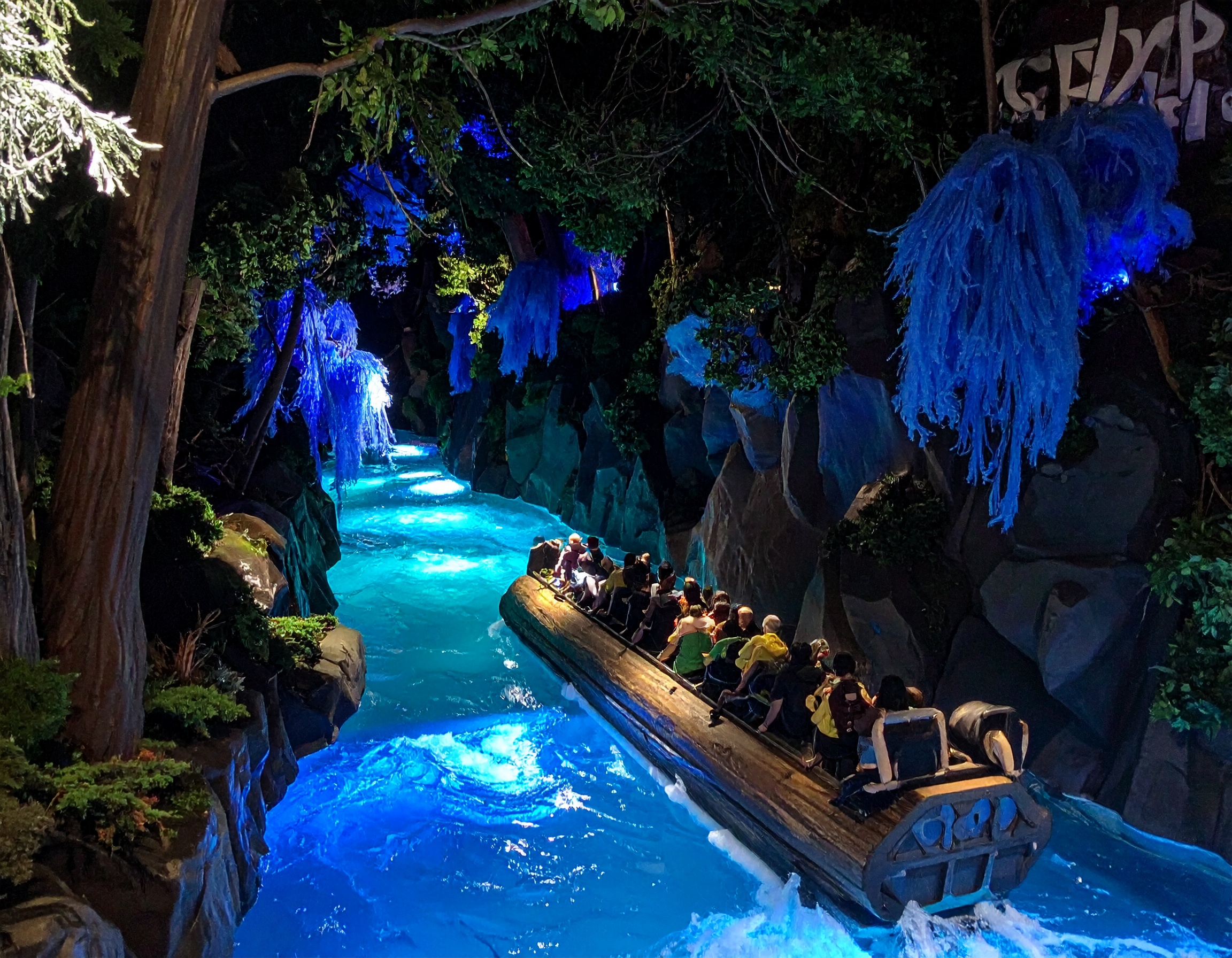
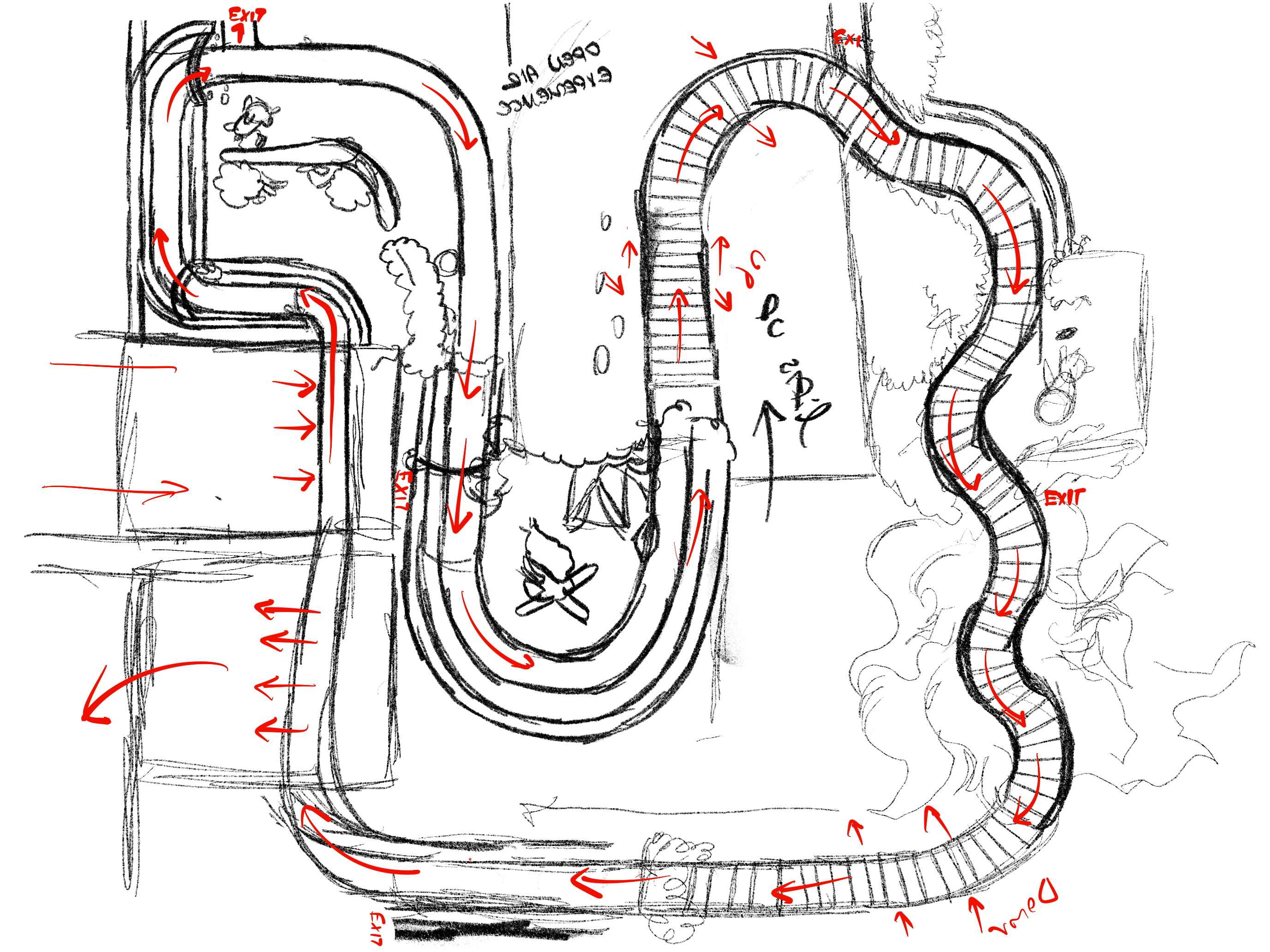
My layout focused on pratical storytelling within a short 2-minute ride experience. The ride layout focuses on scene visibility and works well with safety regulations, as I designed the rooms to have easily accessible exits in case of emergency.
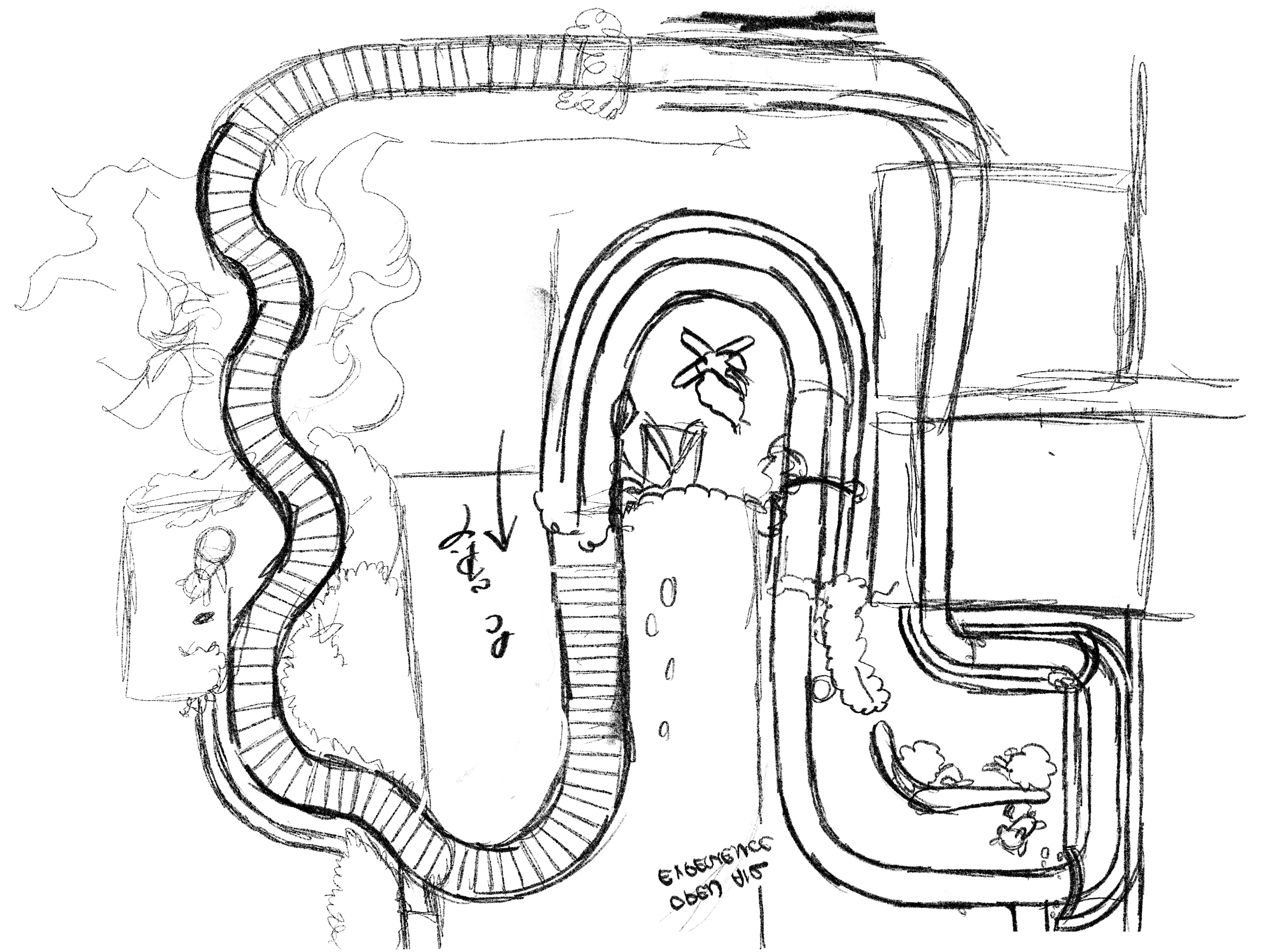
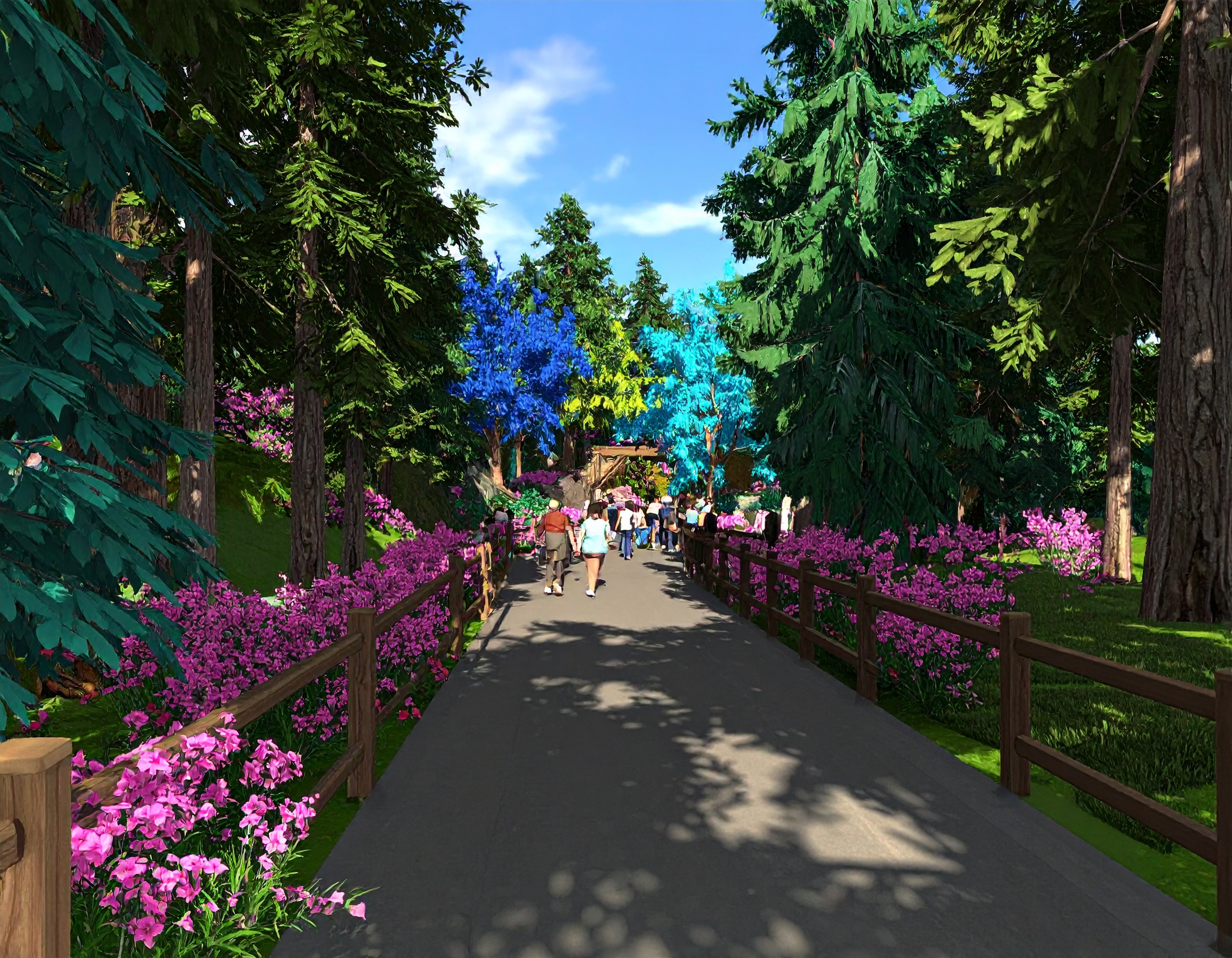
I showed off more of the exterior land design to better understand the vibe, atmosphere, and complete experience of my amusement park attraction.
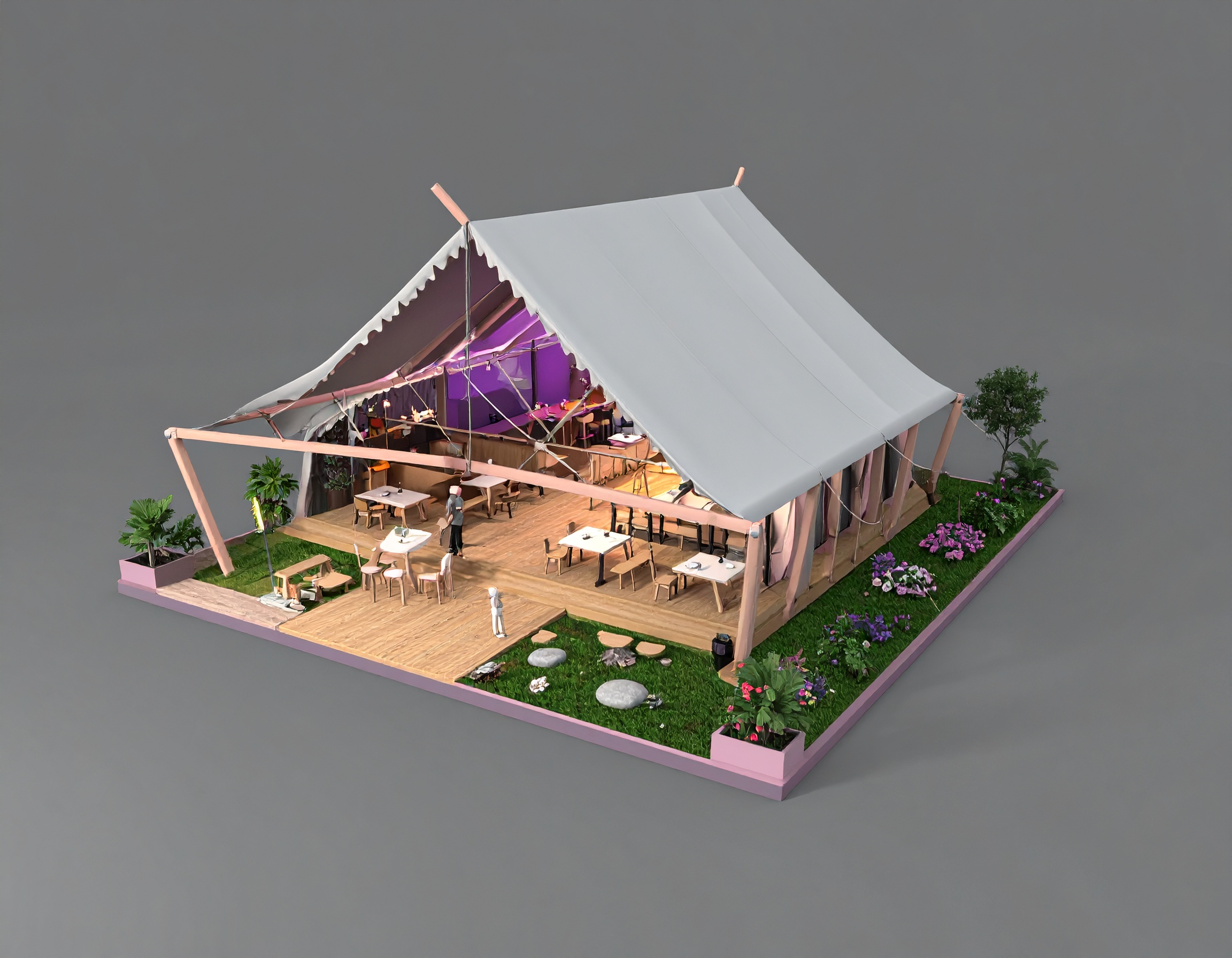
This project taught me how emotional intention, when defined early, can guide every design decision from character color to queue flow without limiting creativity.
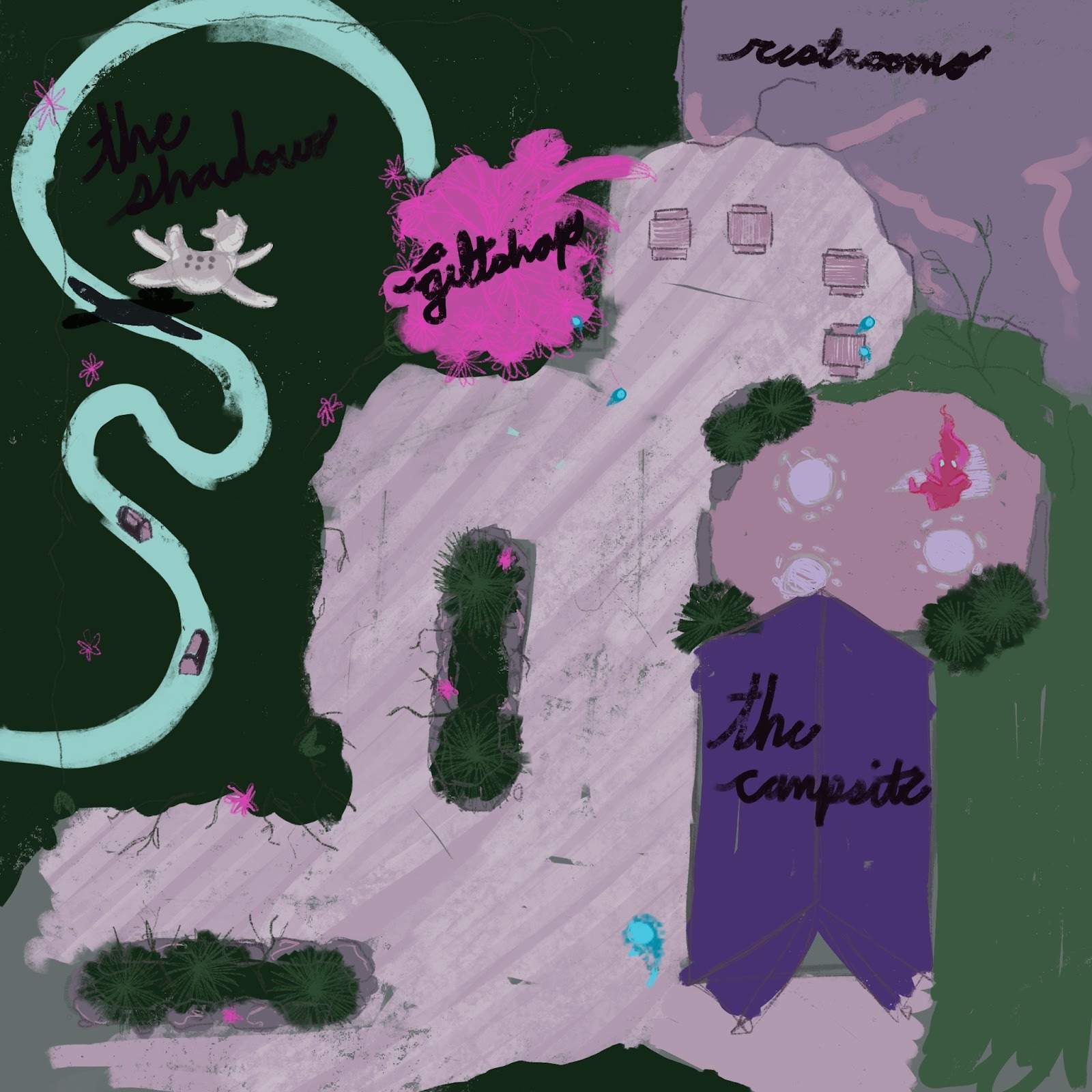
AI Use Disclosure
Generative AI was used as a visualization tool to translate finalized design concepts into illustrative imagery. All attraction concepts, narrative development, spatial planning, and design decisions were created by me.